

Art Investment Strategy
A disciplined investment approach focused on acquiring high-quality blue-chip artworks through global access, market expertise, and data-driven selection.


Our Approach to Art Investment
A structured overview of how we approach art investment across selection, acquisition, and exit built on decades of market experience and institutional-grade discipline.


Art as an Asset Class
Blue-chip artworks represent tangible assets with long-term cultural and financial value, offering diversification beyond traditional markets.


Blue-Chip Focus
We focus on established artists with established demand, institutional backing, and consistent global transaction history.

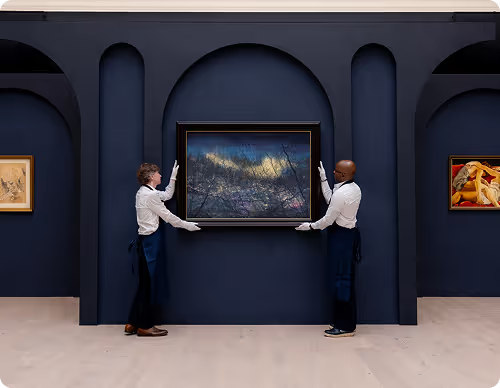
Market Structure
The art market is fragmented and relationship-driven, creating inefficiencies and access advantages.


Sourcing & Access
Opportunities are identified through global networks, private channels, and long-standing market relationships.


Selection Criteria
Each acquisition is based on data, demand, artist positioning, and market timing.


Portfolio Strategy
Artworks are positioned within a long-term strategy aligned with market cycles and liquidity considerations.


Exit Strategy
Disposals are executed through appropriate channels to optimize timing and value realization.


Risk Management
Risk is managed through selective acquisition, diversification, and a disciplined and selective investment framework.
Art as an Asset Class
Blue-chip artworks represent tangible assets with long-term cultural and financial value, offering diversification beyond traditional markets.
Blue-Chip Focus
We focus on established artists with established demand, institutional backing, and consistent global transaction history.
Market Structure
The art market is fragmented and relationship-driven, creating inefficiencies and access advantages.
Sourcing & Access
Opportunities are identified through global networks, private channels, and long-standing market relationships.
Selection Criteria
Each acquisition is based on data, demand, artist positioning, and market timing.
Portfolio Strategy
Artworks are positioned within a long-term strategy aligned with market cycles and liquidity considerations.
Exit Strategy
Disposals are executed through appropriate channels to optimize timing and value realization.
Risk Management
Risk is managed through selective acquisition, diversification, and a disciplined and selective investment framework.
Why Now Is the Right Time to Invest in Art
Blue-chip artworks have shown steady value appreciation across market cycles.


Blue-chip artworks represent tangible assets with long-term cultural and financial relevance, offering diversification beyond traditional markets.

Investment decisions are based on data, market experience, and an understanding of demand, timing, and positioning.

All artworks are managed with strict attention to provenance, authentication, and secure storage through established partners.
Begin Your Art Investment Strategy
Access carefully selected blue-chip artworks and discreet, off-market opportunities within a structured approach designed to preserve and grow capital.
Frequently Asked Questions
How is value determined in the art market?

Value is driven by supply, demand, artist relevance, and transaction history across global markets.
How liquid is blue-chip art?
Liquidity depends on the segment, but established artists benefit from active secondary markets and consistent transaction activity.
How are artworks stored and managed?
Artworks are handled with verified provenance and stored through professional, secure facilities aligned with institutional standards.
What is the typical investment horizon?
Art investment is generally positioned as a long-term strategy, aligned with market cycles and demand trends.